
How to treat ankle sprains at home?
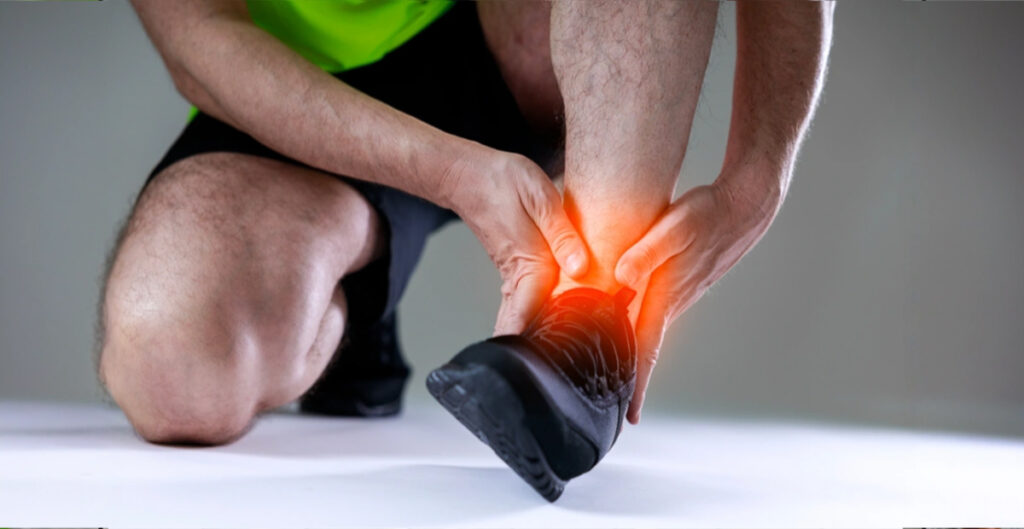
How to Treat Ankle Sprains at Home? A Complete Step-by-Step Guide by Doctor Santhosh C Reddy foot & ankle surgeon.
An ankle sprain is one of the most common musculoskeletal injuries, affecting people of all ages. Whether caused by sports, walking on uneven surfaces, or sudden twisting movements, ankle sprains require immediate and correct care to promote healing and prevent long-term complications. We present a comprehensive, evidence-based, and practical guide to treat ankle sprains at home, focusing on safe recovery, pain reduction, and restoration of mobility.
Understanding Ankle Sprains
An ankle sprain occurs when the ligaments supporting the ankle joint are overstretched or torn. Ligaments are strong connective tissues that stabilize joints and control movement. Sprains are typically classified into three grades:
- Grade I: Mild ligament stretching with minimal swelling
- Grade II: Partial ligament tear with noticeable swelling and bruising
- Grade III: Complete ligament rupture with severe pain and instability
Early and proper home management is essential to ensure optimal healing and avoid chronic ankle instability.
Immediate Care for Ankle Sprains at Home
Rest the Injured Ankle
The first and most critical step is to stop all weight-bearing activities immediately. Continuing to walk or exercise on a sprained ankle can worsen ligament damage. We recommend limiting movement for at least 24–48 hours, depending on pain severity.

Apply Ice Therapy Correctly
Ice therapy helps reduce swelling, inflammation, and pain. Wrap ice or a cold pack in a cloth and apply it to the ankle for 15–20 minutes every 2–3 hours during the first 48 hours.
Key tips:
- Never apply ice directly to the skin
- Keep the ankle elevated while icing
- Consistent icing improves recovery speed
Compression to Control Swelling
Compression stabilizes the ankle and limits excessive swelling. Use an elastic compression bandage or ankle wrap.
Best practices:
- Wrap snugly but not too tight
- Start wrapping from the toes upward
- Remove the bandage at night

Elevation for Faster Healing
Elevating the ankle above heart level allows excess fluid to drain, significantly reducing swelling.
- Use pillows to elevate the ankle while resting
- Elevate for at least 2–3 hours daily
- Combine elevation with icing for maximum effect
Pain Management at Home
Pain is expected with ankle sprains, especially during the first few days. Over-the-counter pain relievers can help manage discomfort.
Recommended options:
- Non-prescription anti-inflammatory medications
- Topical pain-relief gels
- Cold compression therapy
Avoid excessive medication use and follow dosage guidelines carefully.
Safe Home Exercises for Ankle Recovery
Once swelling and pain reduce, gentle exercises are essential to restore mobility and strength.

Range of Motion Exercises
Begin with simple movements to prevent stiffness:
- Ankle circles
- Pointing and flexing toes
- Alphabet tracing with the foot
Perform these exercises slowly and without forcing movement.
Strengthening Exercises
Strengthening improves stability and reduces future injury risk.
- Resistance band ankle pulls
- Heel raises
- Towel scrunches with toes
Perform exercises daily, increasing intensity gradually.
Balance and Stability Training
Balance training helps retrain ankle coordination:
- Standing on one foot
- Using a balance board
- Controlled walking drills
These exercises are crucial before returning to sports or physical activity.
Home Remedies That Support Healing
Warm Therapy After Initial Swelling
After the first 48–72 hours, heat therapy may help relax muscles and improve blood flow. Apply warm compresses for 10–15 minutes, once swelling has subsided.
Epsom Salt Soaks
Soaking the ankle in warm water with Epsom salt may relieve muscle tension and stiffness.

- Soak for 15–20 minutes
- Perform once daily
- Dry thoroughly afterward
Proper Nutrition for Ligament Repair
Nutrition plays a vital role in healing.
Focus on foods rich in:
- Protein for tissue repair
- Vitamin C for collagen synthesis
- Calcium and magnesium for bone support
- Omega-3 fatty acids for inflammation control
Adequate hydration further enhances recovery.
Protecting the Ankle During Daily Activities
Use Ankle Braces or Supports
Ankle braces provide stability during movement and prevent re-injury.
- Choose breathable, adjustable supports
- Use during walking or light activities
- Avoid prolonged dependence
Wear Supportive Footwear
Proper footwear minimizes strain on healing ligaments.
- Avoid high heels or flat slippers
- Choose shoes with firm heel support
- Use cushioned insoles if necessary
When to Resume Normal Activities
Gradual return to activity is essential. Resume daily tasks only when:
- Pain is minimal or absent
- Swelling has significantly reduced
- Full ankle movement is restored
Avoid high-impact activities until strength and balance are fully regained.
Warning Signs That Need Medical Attention
While many ankle sprains heal at home, certain symptoms require professional evaluation:

- Severe pain that does not improve
- Inability to bear weight after several days
- Persistent swelling or deformity
- Numbness or tingling
- Repeated ankle sprains
Early medical consultation prevents long-term complications.
Preventing Future Ankle Sprains
Prevention is just as important as treatment.
Effective strategies include:
- Regular ankle strengthening exercises
- Proper warm-up before physical activity
- Wearing supportive shoes
- Avoiding uneven surfaces when possible
- Maintaining good balance and flexibility
Long-Term Recovery and Ankle Health
Complete recovery may take several weeks depending on the severity of the sprain. Consistency in home care, exercises, and protective measures ensures strong ligament healing and reduces recurrence risk. A well-managed ankle sprain heals effectively without compromising mobility or performance.
Find your Best Foot & Ankle Doctor in Bangalore
Dr. Santhosh C Reddy is a highly respected Foot and Ankle Surgeon with extensive experience in diagnosing and treating complex foot and ankle conditions. His clinical excellence, precision-driven surgical skills, and commitment to evidence-based medicine make him a trusted name in orthopaedic care.
Key reasons patients trust Dr. Santhosh C Reddy:
- Specialized expertise in Foot and Ankle Surgery
- Advanced minimally invasive and corrective procedures
- Personalized treatment plans for faster recovery
- High success rates with patient satisfaction
- Ethical, transparent, and compassionate care