
Flat Feet Myths Busted by Dr. Santhosh C Reddy
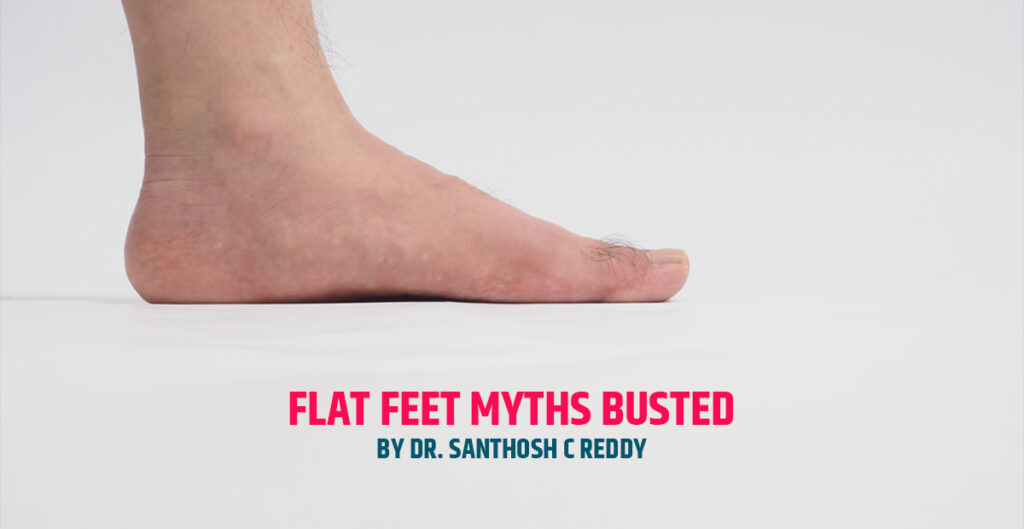
Under this blog we will illustrate about Feet Myths Busted by Dr. Santhosh C Reddy
Understanding Flat Feet Beyond the Myths
Flat feet, clinically referred to as pes planus, remain one of the most misunderstood foot conditions worldwide. Misinformation often leads to unnecessary anxiety, delayed care, or inappropriate interventions. We address these misconceptions with clear, evidence-driven explanations, focusing on anatomy, biomechanics, lifestyle impact, and contemporary orthopaedic understanding. By separating fact from fiction, we empower readers with accurate knowledge that reflects modern clinical practice.
Myth 1: Flat Feet Are Always Abnormal
The belief that flat feet are inherently abnormal is fundamentally incorrect. Foot arches vary widely across populations, ages, and genetic backgrounds. Many individuals naturally have low or flexible arches without any pain, disability, or functional limitation. In children, flat feet are commonly physiological, with arches developing over time. In adults, a flat arch can be a normal anatomical variant rather than a pathology.
Myth 2: Flat Feet Always Cause Pain
Pain is not a defining feature of flat feet. A significant proportion of people with flat arches remain asymptomatic throughout life. Discomfort arises only when biomechanics are compromised, such as in cases of tendon overload, ligament laxity, or altered gait mechanics. Pain is a symptom of functional imbalance, not a universal outcome of flat feet.
Myth 3: Flat Feet Mean You Cannot Be Active
Athletes, dancers, runners, and military personnel often include individuals with flat feet who perform at elite levels. Physical capability depends on strength, alignment, neuromuscular control, and training, not solely on arch height. With appropriate conditioning and awareness, flat feet do not limit participation in sports or physically demanding activities.
Myth 4: Flat Feet Always Require Treatment
Treatment is not mandatory for flat feet unless symptoms interfere with daily function. Many cases require no intervention at all. When discomfort exists, conservative strategies focusing on support, load management, and movement efficiency are typically sufficient. Treatment decisions are based on symptoms and functional impact, not on appearance alone.
Myth 5: Flat Feet Are Only a Childhood Issue
While flat feet are common in children, adults can also develop flat arches due to aging, weight changes, occupational stress, pregnancy, or tendon degeneration. Adult-acquired flat foot differs from childhood flat feet in both cause and management. Understanding this distinction is essential for accurate assessment and care planning.
The Anatomy of the Foot Arch Explained
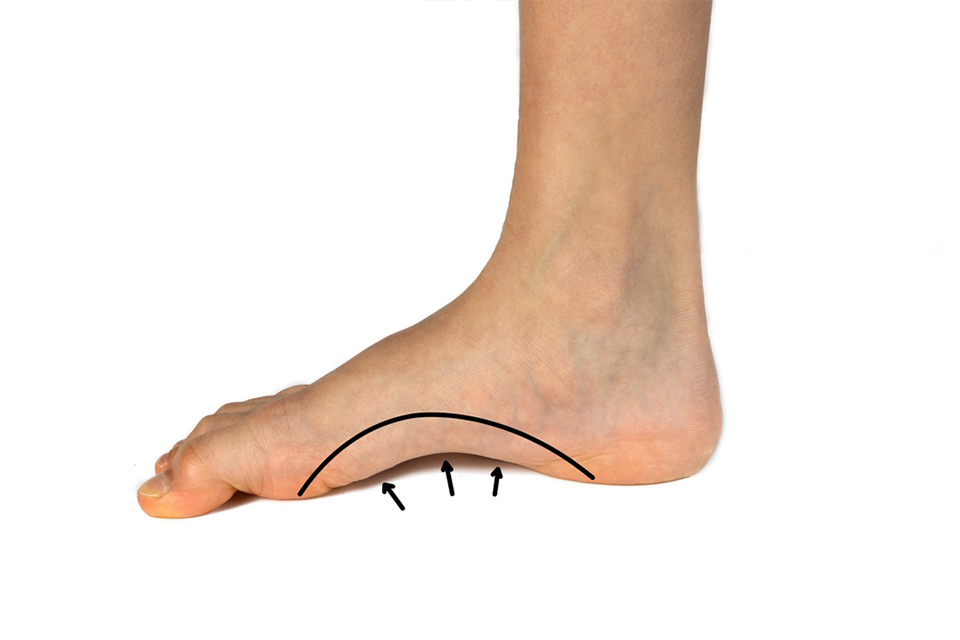
The foot arch is a dynamic structure, maintained by bones, ligaments, tendons, and muscles working in coordination. The medial longitudinal arch plays a crucial role in shock absorption and propulsion. Flat feet occur when this system allows increased midfoot contact with the ground. Importantly, a flexible arch that appears flat during standing may reform during movement, highlighting the dynamic nature of foot mechanics.
Flexible Flat Feet vs. Rigid Flat Feet
Not all flat feet are the same. Flexible flat feet are the most common and typically benign, with arches appearing during non-weight-bearing. Rigid flat feet, which are far less common, involve structural limitations and reduced mobility. Differentiating between these types is essential for accurate clinical interpretation and appropriate management strategies.
Impact of Flat Feet on Posture and Alignment
Flat feet can influence lower limb alignment, potentially affecting the ankles, knees, hips, and lower back. However, this does not automatically result in pain or dysfunction. The body often adapts efficiently. Issues arise only when compensatory mechanisms are overwhelmed, emphasizing the importance of holistic musculoskeletal assessment rather than isolated focus on the feet.
Footwear and Flat Feet: Dispelling the Confusion
Footwear does not create flat feet, nor does poor footwear alone cause arch collapse. However, supportive, well-designed shoes can enhance comfort and reduce fatigue in symptomatic individuals. The ideal shoe provides balanced cushioning, midfoot stability, and appropriate flexibility, tailored to activity level and foot shape rather than generic labels.
Orthotics: Not a Universal Requirement
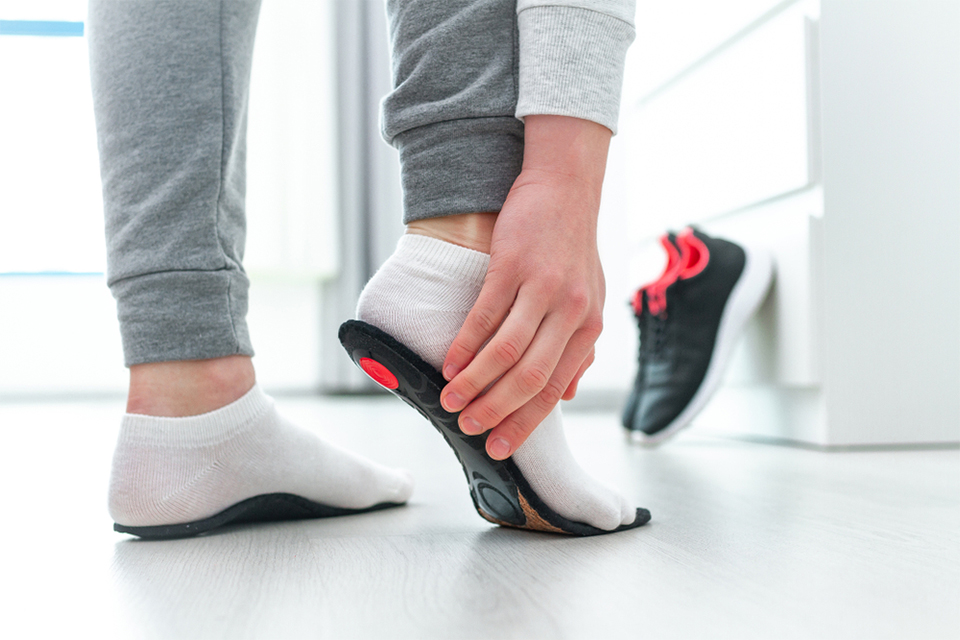
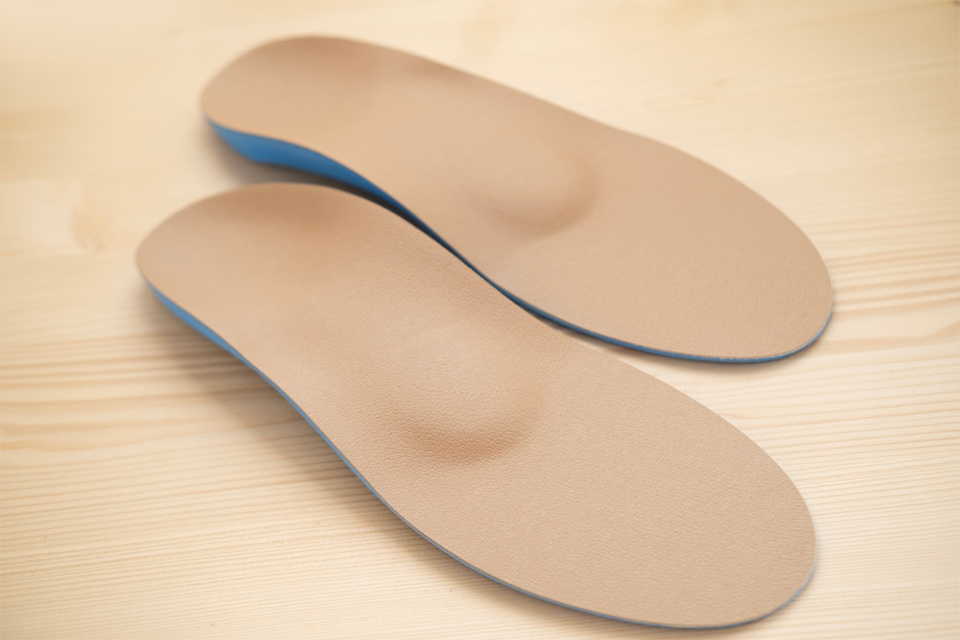
Orthotic devices are often misunderstood as a universal solution. In reality, orthotics are supportive tools, not cures. They are considered when symptoms persist despite activity modification and conditioning. Customization and proper assessment are key, as unnecessary use may offer no additional benefit for asymptomatic individuals.
Flat Feet and Aging: What Changes Over Time
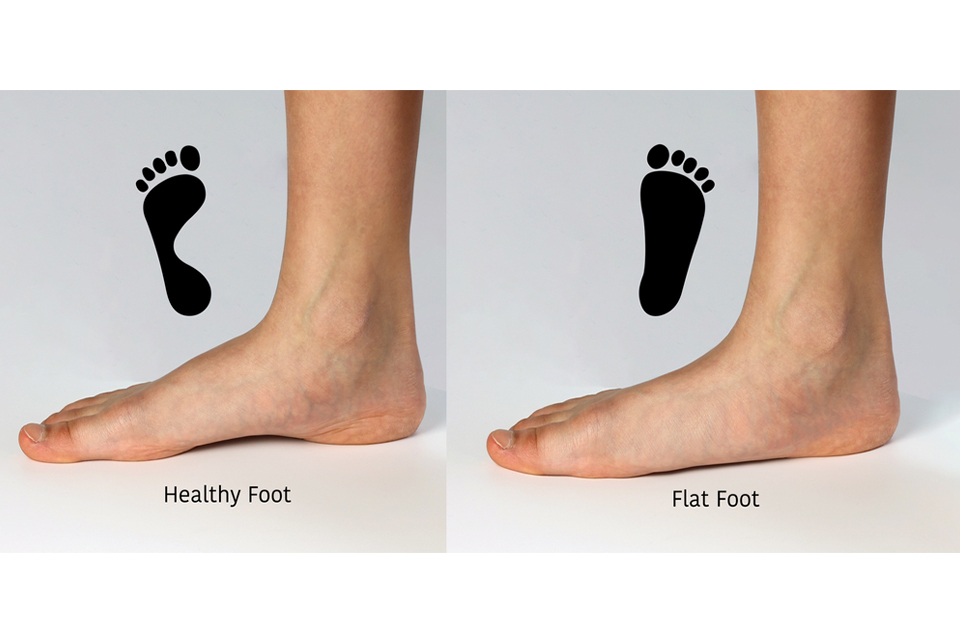
As we age, connective tissues naturally lose elasticity. This can lead to progressive flattening of the arch in some individuals. Maintaining lower limb strength, mobility, and healthy body weight plays a vital role in preserving functional foot mechanics over time. Age-related changes are gradual and manageable with informed lifestyle choices.
When Flat Feet Deserve Attention
Flat feet warrant professional evaluation when accompanied by persistent pain, swelling, fatigue, or reduced mobility. Sudden changes in foot shape, unilateral flattening, or difficulty walking may indicate underlying structural or tendon-related issues. Early assessment supports timely and effective management.
Preventive Strategies for Long-Term Foot Health
Foot health extends beyond arch shape. Strengthening intrinsic foot muscles, maintaining ankle mobility, and practicing balanced movement patterns contribute significantly to comfort and resilience. Awareness of load, posture, and recovery supports long-term musculoskeletal well-being regardless of foot type.
A Balanced Perspective on Flat Feet
Flat feet are not a diagnosis, defect, or disability. They represent one of many natural variations in human anatomy. Understanding flat feet through a scientific and functional lens eliminates fear-driven decisions and promotes informed, confident choices. Education remains the most powerful tool in dispelling myths and fostering healthy movement.
Conclusion: Facts Over Fear
By replacing myths with medically grounded knowledge, we redefine how flat feet are perceived. Comfort, performance, and quality of life depend on function, not form. With clarity and evidence guiding understanding, flat feet no longer need to be a source of concern but simply another example of the body’s remarkable diversity.