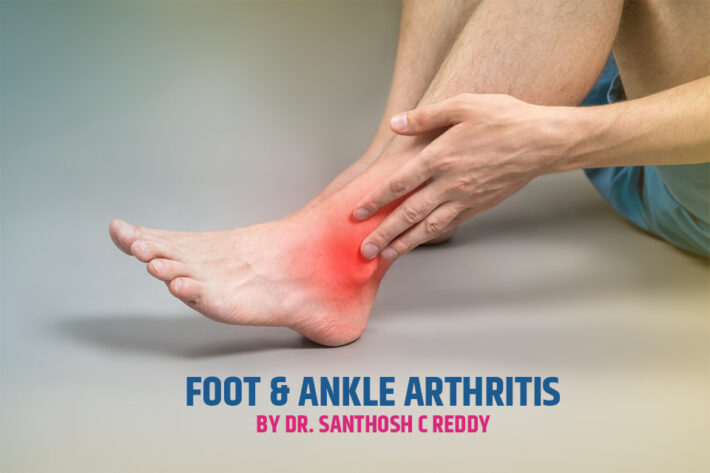
FAQs on Knee Health by Dr. Santhosh C Reddy

Under this blog we will be discussing about the most common FAQs on knee Health by Dr. Santhosh C Reddy | Steps Smart Ortho.
Maintaining optimal knee, foot, and ankle health is essential for mobility, balance, and overall quality of life. These joints bear the body’s weight, absorb shock, and enable everyday movements such as walking, running, climbing stairs, and standing for long hours. We address the most frequently asked questions (FAQs) related to knee, foot, and ankle conditions, offering clear, authoritative, and practical insights designed to support informed decisions and long-term joint wellness.
What are the most common knee problems?
Common foot conditions include plantar fasciitis, heel spurs, flat feet, bunions, corns and calluses, Achilles tendonitis, and stress fractures. Many of these result from improper footwear, overuse, or biomechanical abnormalities.
What causes knee pain while walking or climbing stairs?
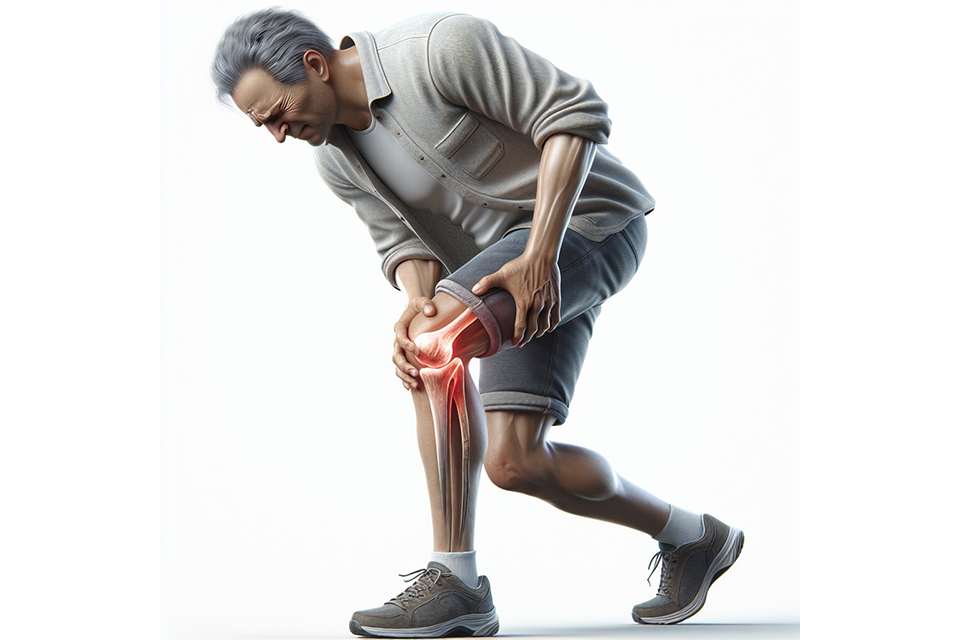
Knee pain during walking or stair climbing is often linked to cartilage wear, muscle imbalance, patellar tracking disorders, or early arthritis. In some cases, meniscus damage or ligament strain contributes to discomfort, especially when weight-bearing increases joint stress which are the most common FAQs on knee Health by Dr. Santhosh C Reddy.
How is knee osteoarthritis diagnosed?
Diagnosis involves a clinical examination, evaluation of symptoms, and imaging studies such as X-rays or MRI scans. These help assess cartilage loss, joint space narrowing, bone spurs, and soft tissue integrity.
What non-surgical treatments are available for knee pain?
Non-surgical management includes activity modification, physiotherapy, weight management, anti-inflammatory medications, bracing, and injection therapies such as visco supplementation or platelet-rich plasma (PRP).
When is knee replacement surgery recommended?
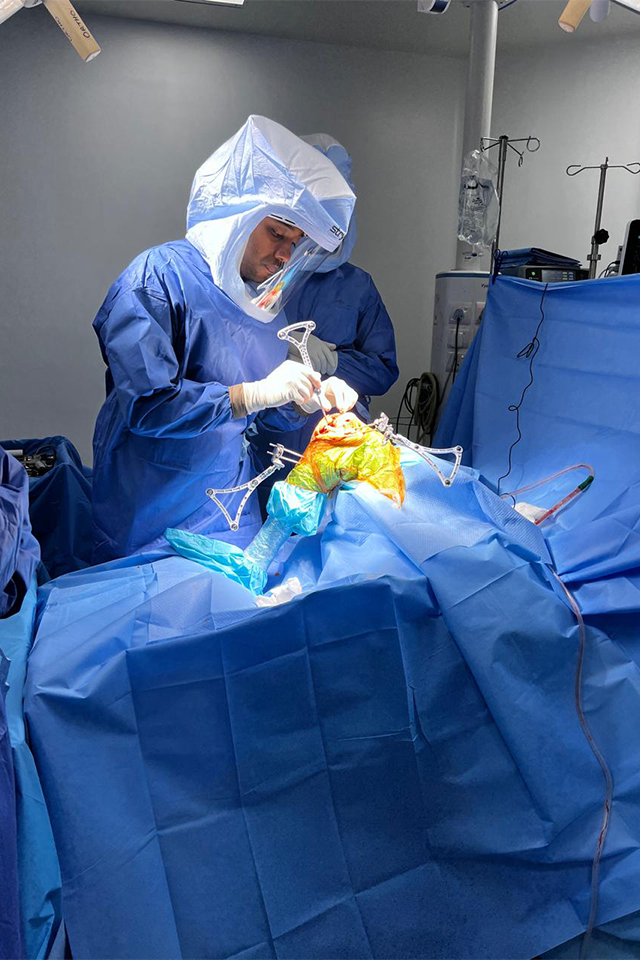
Knee replacement is considered when severe pain, functional limitation, and advanced joint degeneration persist despite exhaustive conservative treatments. Modern techniques aim for faster recovery, improved mobility, and long-term durability.
Is knee pain always a sign of arthritis?
No. While arthritis is a common cause, knee pain may also result from ligament sprains, meniscus injuries, overuse syndromes, or temporary inflammation. Accurate diagnosis is essential to determine the exact cause.
Can knee pain be treated without surgery?
Yes. Many knee problems respond well to non-surgical treatments such as physiotherapy, weight management, pain-relief medications, knee braces, and injection therapies. Early treatment can slow disease progression.
When should I see a knee specialist?
You should consult a knee specialist if you experience persistent pain, swelling, difficulty walking, locking or instability of the knee, or if pain interferes with daily activities despite rest and medication.
Does exercise help or worsen knee pain?
Appropriate exercise helps strengthen muscles around the knee, improves flexibility, and reduces pain. Low-impact activities like walking, cycling, and swimming are generally beneficial, while high-impact activities may worsen symptoms if not guided properly.
How does body weight affect knee health?
Excess body weight significantly increases pressure on the knee joints. Even small weight loss can reduce knee pain, improve mobility, and slow the progression of knee osteoarthritis.
What is a meniscus tear, and how serious is it?
A meniscus tear is damage to the cartilage that cushions the knee joint. Severity varies from mild tears that heal with rest and therapy to severe tears that may require surgical intervention.
When is knee replacement surgery recommended?
Knee replacement surgery is considered when severe arthritis, chronic pain, and restricted movement persist despite long-term non-surgical treatment. The goal is to restore mobility and improve quality of life.
Can knee problems be prevented?
Yes. Maintaining a healthy weight, wearing proper footwear, strengthening leg muscles, avoiding repetitive strain, and treating minor injuries early all help in preventing knee problems.
How long does it take to recover from a knee injury?
Recovery time depends on the type and severity of the injury. Minor knee injuries may heal within weeks, while ligament injuries or post-surgical recovery can take several months with proper rehabilitation.
Book an Appointment with the Best Foot and Ankle Doctor in Bangalore | Dr. Santhosh C Reddy
Understanding knee, foot, and ankle conditions empowers individuals to recognize symptoms early, seek appropriate care, and make informed decisions. Through evidence-based management, preventive strategies, and expert-guided treatment pathways, long-term joint health and functional independence are achievable. Comprehensive care focused on the entire lower limb ensures not only pain relief but also improved biomechanics, balance, and quality of life.